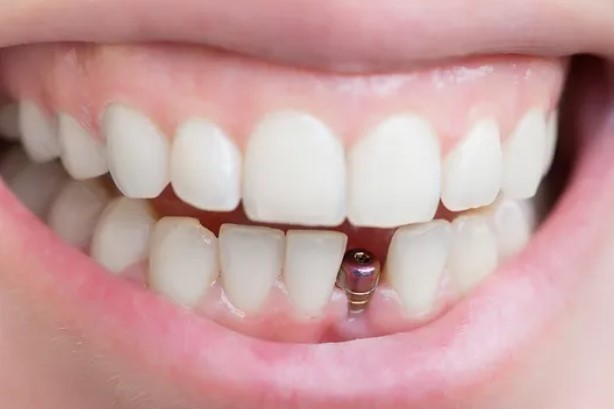
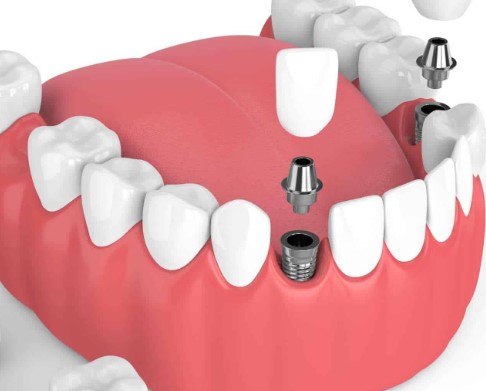
Discover the world of dental implants, an innovative and effective tooth replacement solution. Dental implants are artificial tooth roots made of biocompatible materials like titanium, providing a sturdy foundation for fixed or removable replacement teeth. These implants fuse with the jawbone through a process called osseointegration, ensuring a natural and long-lasting result. Whether you're missing a single tooth or multiple teeth, dental implants can restore your smile's aesthetics, functionality, and confidence, allowing you to enjoy life to the fullest.
As we delve into the world of dental implants, it's crucial to understand the intricacies of how these innovative tooth replacements work to provide long-lasting results. Dental implants, typically made of biocompatible materials like titanium, serve as artificial tooth roots. They are skillfully placed into the jawbone through a precise surgical procedure. Over time, the process of osseointegration takes place, where the implants fuse with the surrounding bone, creating a strong and durable foundation for replacement teeth. This meticulous integration mimics the natural structure of teeth, ensuring both aesthetics and functionality for a confident smile and improved oral health.
When considering tooth replacement options, it's crucial to explore both dental implants and dentures. As discussed earlier, dental implants offer a cutting-edge solution for those seeking a reliable and long-lasting tooth replacement. Driven by the process of osseointegration, dental implants, such as those provided by Peter J Blank, DDS, fuse seamlessly with the jawbone, mimicking natural teeth in aesthetics and functionality. On the other hand, dentures are a traditional alternative that can be easily removed for cleaning, but they lack the permanence and stability provided by dental implants. Choosing between these options depends on individual needs, preferences, and oral health conditions, making it essential to consult with dental professionals to determine the most suitable tooth replacement solution.
Embrace the transformative benefits of dental implants that transcend mere aesthetics. These remarkable tooth replacements enhance functionality, granting you the ability to savor your favorite foods and speak confidently, just like with natural teeth. Enjoy the longevity of dental implants, as they provide a long-term solution that can last a lifetime with proper care and maintenance. Experience the preservation of your jawbone, as implants actively stimulate it, preventing bone loss and preserving your facial structure. Say goodbye to inconvenience, as dental implants are permanently fixed in place, eliminating the need for adhesives or concerns during meals. Embrace improved oral health, as dental implants require no alteration of adjacent healthy teeth, promoting overall dental well-being. Enjoy the clarity of speech with dental implants, avoiding any speech difficulties often associated with dentures. Relish the comfort of custom-made implants that perfectly fit your mouth, providing optimal comfort and reducing irritation or soreness. Choose the reliability and effectiveness of dental implants, with their high success rate as a tooth replacement option. Welcome the restoration of confidence, as dental implants help you regain the beauty and functionality of your smile, leading to improved self-esteem and an enhanced quality of life.
When it comes to tooth replacement options, dentures are a popular choice for many individuals. Understanding the various types of dentures and their unique characteristics can help you make an informed decision about which option best suits your needs. From conventional full dentures to partial dentures and implant-supported dentures, each type offers distinct benefits and considerations. Exploring these options will guide you in choosing the most suitable denture solution to restore your smile and oral function.
Embarking on the path to a confident smile with dentures involves several important steps. After a comprehensive evaluation of your oral health, including impressions and measurements of your mouth, a custom set of dentures is meticulously crafted. Skilled dental professionals ensure that the dentures fit comfortably and securely, allowing you to eat, speak, and smile with ease. As you adjust to your new dentures, periodic check-ups and adjustments may be necessary to ensure optimal comfort and functionality. With the proper care and guidance from your dental team, you can confidently embrace your rejuvenated smile and enjoy the benefits of your new dentures for years to come.
Dental Implants |
Dentures |
|---|---|
| Definition | Definition |
Dental implants are artificial tooth roots made of biocompatible materials like titanium, providing a sturdy foundation for fixed or removable replacement teeth. |
Dentures are removable prosthetic devices that replace missing teeth and surrounding tissues. They come in partial or complete sets and are typically made of acrylic or metal. |
| Advantages | Advantages |
|
|
| Disadvantages | Disadvantages |
|
|
| Conclusion | Conclusion |
Ultimately, the choice between dental implants and dentures depends on individual needs, preferences, and oral health conditions. Consultation with a dental professional is essential to determine the most suitable tooth replacement option for a confident and functional smile. |
Ultimately, the choice between dental implants and dentures depends on individual needs, preferences, and oral health conditions. Consultation with a dental professional is essential to determine the most suitable tooth replacement option for a confident and functional smile. |
Explore the advantages and disadvantages of dentures as a tooth replacement option. Dentures offer benefits like affordability and easy maintenance, making them accessible to many individuals seeking a solution for missing teeth. However, some drawbacks include potential discomfort, speech difficulties, and the need for regular adjustments. Understanding the pros and cons of dentures will help you make an informed decision about your dental health and choose the right tooth replacement option for your specific needs.
Various factors play a crucial role in determining the candidacy for dental implants. These factors include the patient's overall oral health, bone density and quality in the jawbone, any underlying medical conditions, and lifestyle habits. Additionally, the number of missing teeth and their location also influence the feasibility of dental implants as a tooth replacement option. A comprehensive evaluation by a qualified dental professional is essential to assess whether an individual is a suitable candidate for dental implants, ensuring a successful and long-lasting outcome.
Various factors come into play when determining the suitability of dentures for an individual. These factors include the condition of the jawbone and gums, overall oral health, and the number of missing teeth. Age and lifestyle choices, such as smoking and excessive alcohol consumption, can also impact the success of dentures. Additionally, the ability to maintain good oral hygiene and regular dental check-ups are crucial for long-term denture wearers. Dental professionals carefully assess these factors to determine the most suitable denture option for each patient, ensuring optimal comfort and functionality.
When it comes to choosing between dental implants and dentures for tooth replacement, it's essential to consider the long-term costs and maintenance involved. Dental implants, with their high initial investment, offer a cost-effective solution in the long run, as they can last a lifetime with proper care. On the other hand, dentures may have lower upfront costs, but they require regular adjustments and replacements over time, leading to higher maintenance expenses. Understanding the financial implications and upkeep requirements can help individuals make an informed decision based on their budget and lifestyle.
Dental implants are permanent artificial tooth roots that are surgically placed into the jawbone to support a dental prosthesis. Dentures, on the other hand, are removable replacements for missing teeth.
Dental implants offer better bone preservation and prevent jawbone deterioration, making them a superior option compared to dentures.
Dentures are generally more affordable upfront, while dental implants may have higher initial costs but could be more cost-effective in the long run due to their longevity and reduced maintenance.
While dental implants are a popular and effective tooth replacement option, not everyone is a suitable candidate. Factors such as jawbone health and overall oral health will determine if dental implants are the right choice for an individual.